
I blogged previously about the first two albums put out by The Electronic Music Club Of Edmonds Community College and that post provides a bit of background into the town, the college, and the music club. The club continued putting out albums each year following those initial releases in 1984 and 1985, and EMC5 represents their fifth album, put out in 1988. It was also the last time the club released their annual collection on vinyl – the last two in the series were both on cassette. Interestingly those two tapes also appear to be the rarest – only two Discogs users indicate they own a copy of EMC6, and only one a copy of EMC7. I’m not sure if this is reflective of the number of copies produced or potentially the format itself – records were probably more likely to have been bought and saved (and to not have been damaged) than cassettes. Regardless, a dozen Discoggers claim to own a copy of EMC5, while 94 ‘oggers have it on their wantlists, so it remains a scarce record… which is also reflected by it’s price – the last three recorded sales on that platform have been between $95 and $110.
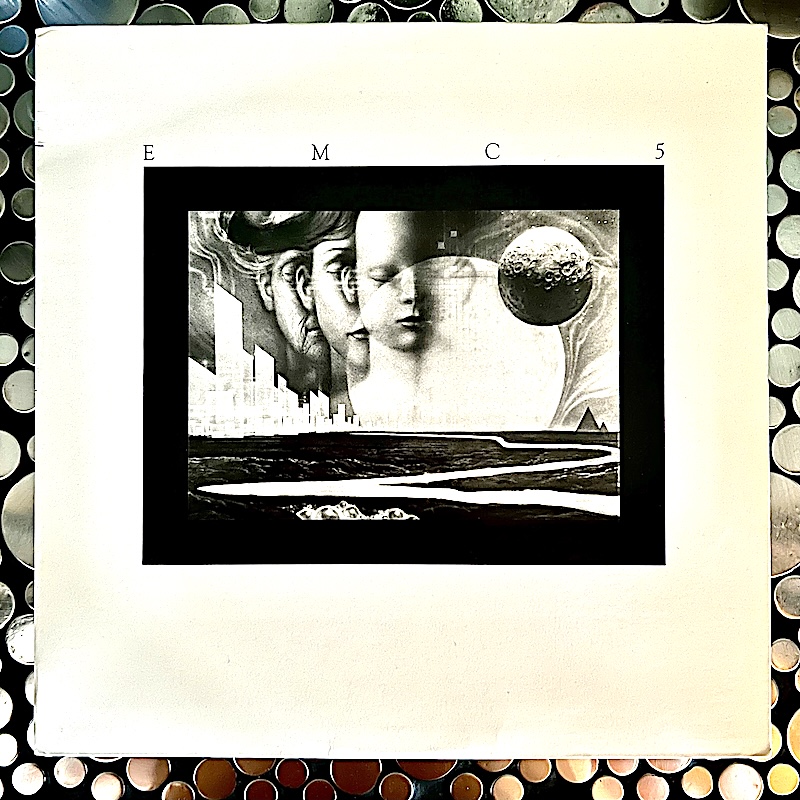
Based on the credits, it appears EMC5 was created by an entirely new group of students than those who were on the first two albums (though the faculty advisor, Jim Guard, is the same across the entire series). The opener, “Medieval Pop”, is probably the most mainstream things I’ve heard from the ECC students – the keyboards are played with expertise, and we’ve got some prominent 80s saxophone, and… oddly… samples from Three Stooges dialog? I have no idea what that’s all about, but at the same time I don’t hate it. “Rondo” gives us strings and midi bells, and I swear there are moments where it sounds like the intro to Madonna’s “Borderline”. As I listen through side A I’m struck by EMC5 being much less experimental than its predecessors. I’m not sure I’d go so far as to to say the songs are “commercial”, but they’re certainly more mainstream in structure and instrumentation. I’m curious as to if that’s do to improvements in the gear available, or perhaps the students themselves being more musically inclined. The B side is a bit more radical. “Natural Selection” by Dave Cantwell and Matt Mahre is my favorite track and also the one that seems to lean the most experimental, a dark neo-classical piece that includes things like dripping water and birdsong. David Stearns’ brief “98.5” is very spacey and special effects-esque, the kinds of bleeps and bloops I’d come to expect from the first two records. The closer, “Flying Machine”, has a dystopian soundtrack quality thats well composed and with enough experimentation to make it intriguing.